
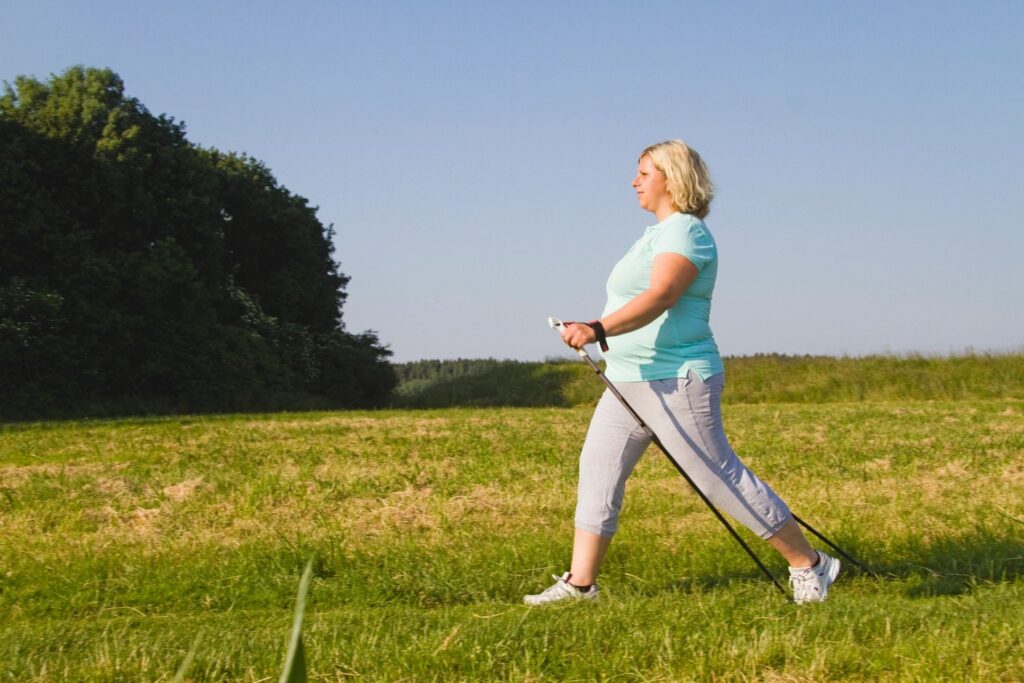

Warm sunny days, clear blue skies and the freshness of the air as it’s filtered through the greenery of nature’s bounty. This is the way to begin another summer morning in Maine! While walking through the woods around an ancient pond bustling with ducks, frogs and turtles, I can’t help but hear Vivaldi’s “The Four Seasons” echoing in my head. I often wish I could share this experience with a dear friend who has been an active woman all her life. A month ago, she was on her porch clipping dead leaves from her plants when she suddenly slipped and fell. A fractured hip ensued and now, after surgery, she is spending her summer days in a wheelchair, not able to join me on my glorious morning walks.
A recent Yale article reported that more than 300,000 people over 65 years old fall and break their hips each year in the United States. “A hip fracture is a very traumatic event for an elderly person,” says Dr. Shapiro, MD, director of the emergency department at Yale New Haven Hospital. “They know they are looking at the loss of their mobility and independence. Plus, they have severe pain in the hip, the pelvis or even the leg, depending on where the fracture is located.”
Before you know it, a simple incident like tripping on a rug or slipping on a wet floor could cause you to fall and break a bone, like thousands of older men and women do each year. The risk of falling rises with age. I must be honest with you, after my friend’s fall, I have been thinking twice about my environment and watching out for red flag possibilities. After a couple of days of this paranoia, I decided I cannot let a fear of falling keep me from being active!
As we age, staying active and maintaining our physical health is the very best way to prevent debilitating falls. Doing things like getting together with friends, gardening, walking, or going to the local senior events helps us stay healthy. And, my senior companions, the good news is there are simple ways to prevent most falls.
Many things can cause you to fall. Your eyesight, hearing, and reflexes might not be as sharp as they once were. Diabetes, heart disease, or problems with your thyroid, nerves, feet, or blood vessels can affect your balance. Some medicines can cause you to feel dizzy or sleepy, making you more likely to fall. Other causes include safety hazards in the home.
Most of the time, falls and accidents don’t “just happen.” Here are a few tips to help you avoid falls and broken bones:
- Regular exercise improves muscles and makes you stronger. It also helps keep your joints, tendons, and ligaments flexible.
- Small changes in sight and hearing may cause you to fall. When you get new eyeglasses or contact lenses, take time to get used to them. If you have a hearing aid, be sure it fits well and wear it!
- If a drug makes you sleepy or dizzy, tell your doctor or pharmacist.
- A good night’s sleep is critical to your overall health. If you are sleepy, you are more likely to fall.
- Studies show that the rate of hip fractures in older adults increases with alcohol use. Even a small amount of alcohol can affect your balance and reflexes.
- Be very careful when walking on wet or icy surfaces. They can be very slippery!
- Wear non-skid, rubber-soled, low-heeled shoes, or lace-up shoes with non-skid soles that fully support your feet.
Our diet, to a very large extent, can be a determining factor in the health and therefore strength of our bones. Categories of nutritional foods most helpful to bone health include:
- Prunes (one of the richest bone-building foods) and flavonoids (found in black tea, dark chocolate, fruits/veggies)
- Carotenoids (found in carrots, pumpkins, sweet potatoes, apricots, and spinach).
And
- Vitamin-dense foods (found in broccoli, cantaloupe, cauliflower, kale, kiwi, oranges, papaya, peppers, sweet potato, strawberries, and tomatoes).
This summer may be a loss for my friend when it comes to joining her friends on walks or other activities we enjoy in the summertime. But she will forever be on her guard to possible slips and falls. See you around the pond next summer, dear friend!
Need some help with that? For more information, contact Youthful Aging Home Health Care.
Lani Kelly is a research writer for Youthful Aging Home Health Care.